Guide to the transition from MLS to elite European football
This article is about transition. "The difference between a star in Los Angeles and a star in London is not just the pitch, but the weight of the history behind the badge."
Navigating the transition from Major League Soccer to the elite European leagues requires more than just physical fitness; it demands a complete overhaul of tactical discipline and mental resilience.
This guide explores the bridge between North American soccer and the global stage, focusing on how players manage the jump in intensity, tactical complexity,ly and the pursuit of major trophies.
* Understanding the tactical gap between MLS and European leagues. * The mental shift required for high-pressure environments. * Key developmental milestones for rising stars. * Why major trophies like the FA Cup remain the ultimate benchmark.
Why is the tactical jump so steep?
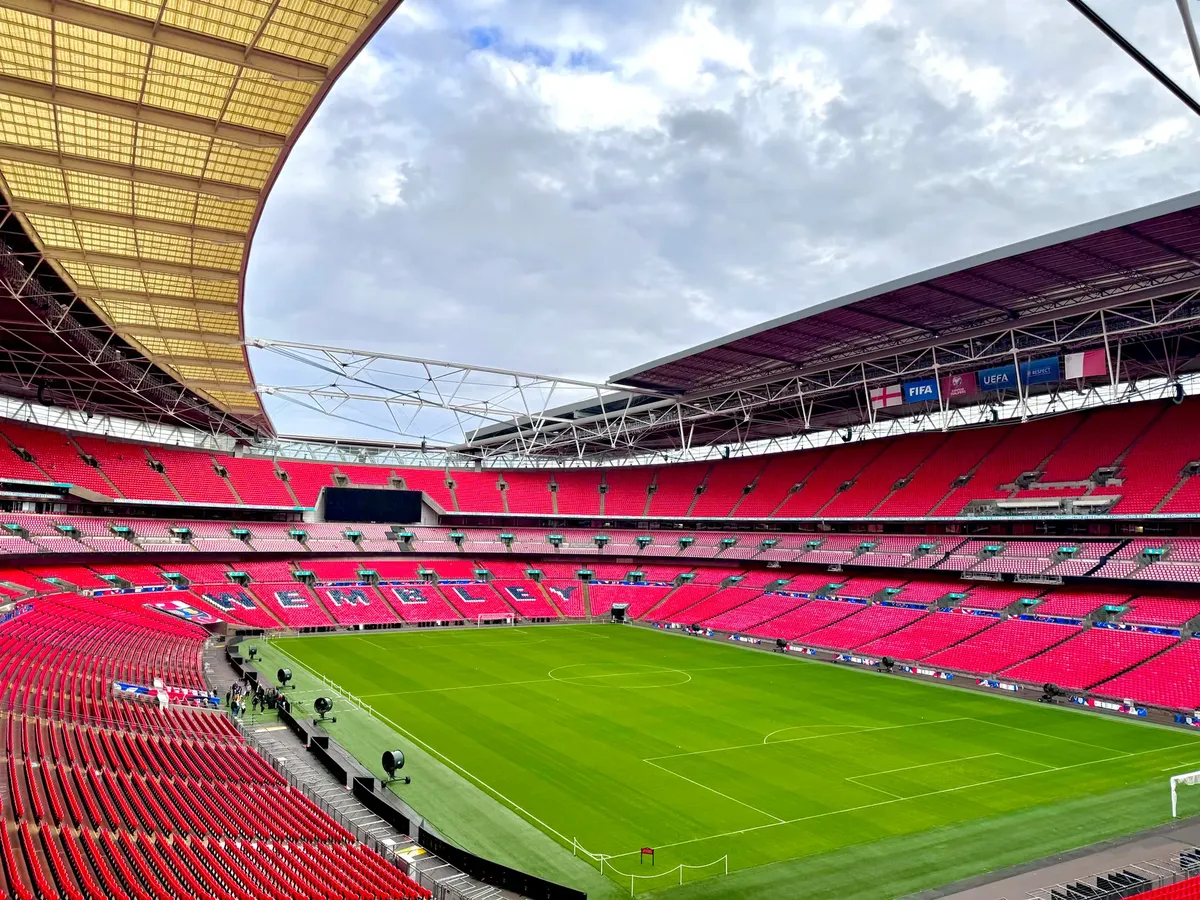
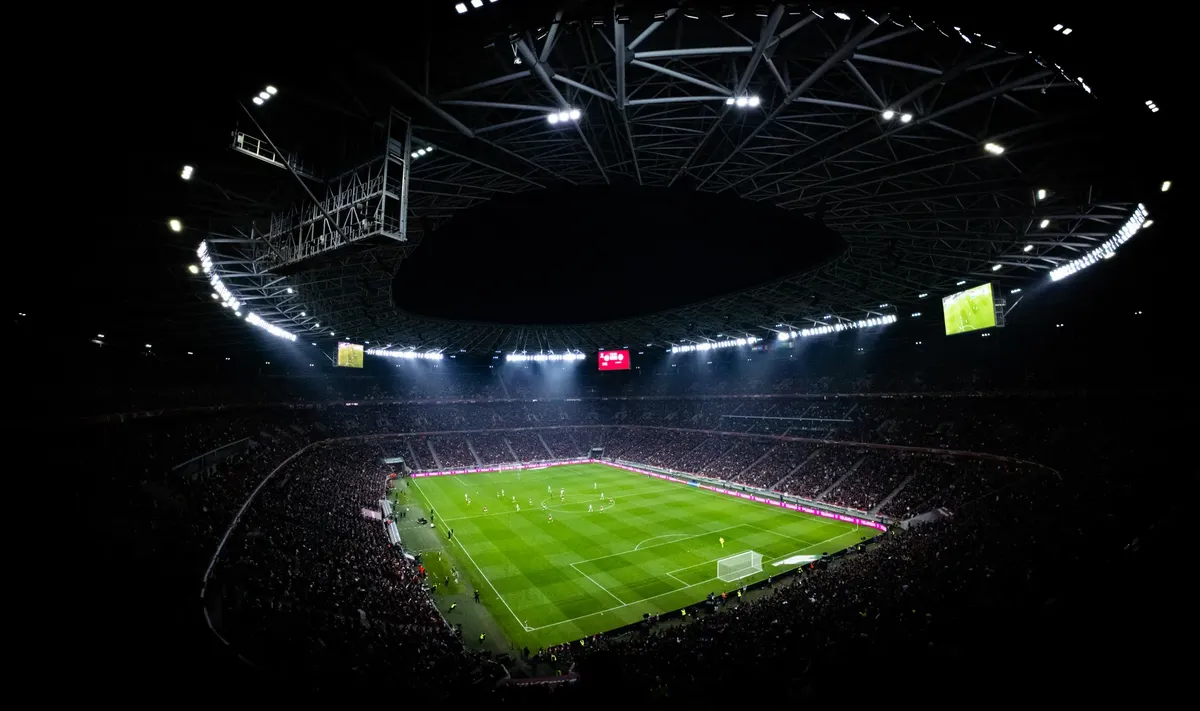
The stadium lights at BMO Stadium in Los Angeles feel bright, but they lack the suffocating historical weight of a rainy Tuesday night at Anfield. A midfielder might dominate a possession-heavy game in MLS only to find themselves lost in the frantic, structured pressing of a top-tier English side.
According to Fairfield University, Turner's professional journey began after he went undrafted in the 2016 MLS SuperDraft.
According to Turner and Premier League, he joined the London club in 2022.
The fundamental difference lies in the speed of decision-making and the density of the midfield. In many North American matches, players often have an extra second of breathing room to scan the field before a defender closes the gap.
In the European elite leagues, that second of luxury is non-existent, forcing players to process tactical instructions while under immediate physical duress.
This transition is not merely about running faster; it is about the sophistication of positional play.
While MLS is growing in athleticism, the tactical rigidity of leagues like the Premier League or La Liga requires a level of spatial awareness that is often developed through years of academy-level structure.
Moving from a league that emphasizes individual athleticism to one that demands collective tactical synchronization is the first major hurdle for any rising talent.
However, these tactical adjustments may yield limited results if the players lack the fundamental technical skills to execute them.
How do players handle the physical intensity?
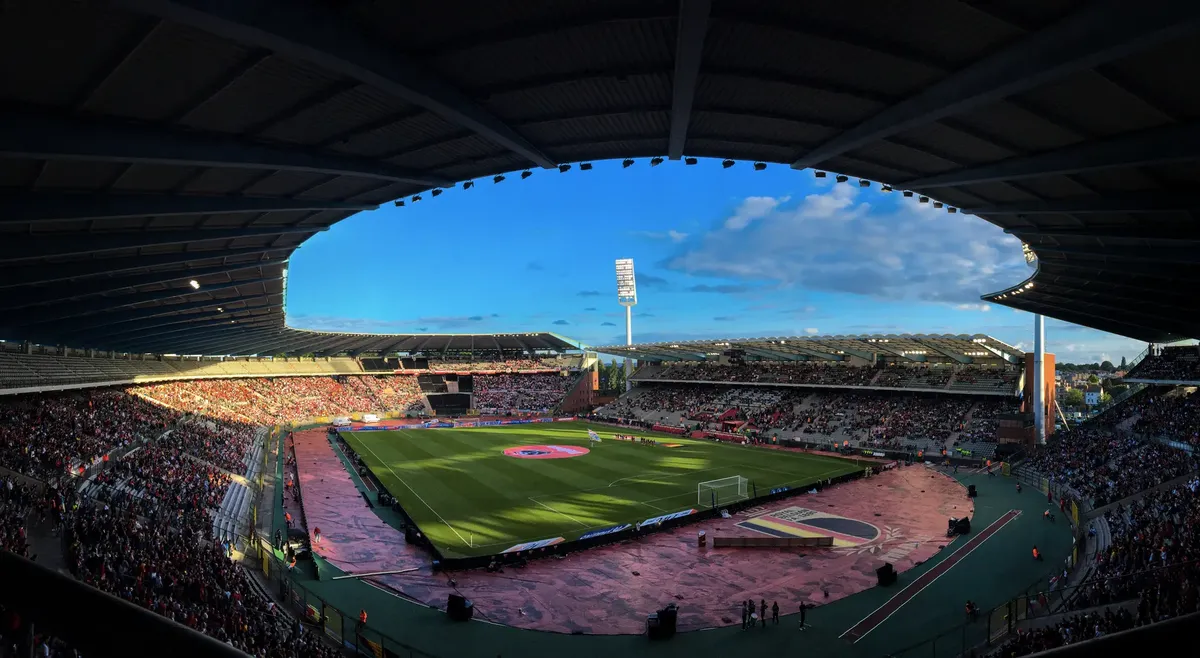
A player stands in the tunnel of a massive stadium in Manchester, feeling the damp chill of the English air against their skin. The sheer physicality of a match in the Premier League is a sensory overload compared to the more spread-out, transitional style of play often seen in the United States.
The physical demand in Europe is often more about sustained, high-intensity intervals rather than just raw sprinting.
In leagues like the Bundesliga, the transition from defense to attack happens with such violent speed that players must maintain peak aerobic capacity for ninety minutes of constant movement. This is not just about strength; it is about the ability to recover instantly after a high-intensity burst.
To bridge this gap, players often undergo specific conditioning that focuses on: 1. High-intensity interval training (HIIT) to mimic match-day transitions. 2. Neuromuscular training to improve reaction times under fatigue. 3. Strength conditioning that prioritizes explosive power over bulk.
This level of conditioning is vital because the physical toll of playing multiple competitions—such as domestic leagues, domestic cups, and continental tournaments—is significantly higher than the single-league focus of many North American clubs.
- Build a robust aerobic base.
- Incorporate high-intensity interval training.
- Focus on strength and recovery protocols.
Will the pressure of major trophies break them? The silence of a locker room before a major cup final is different from any regular-season match; it is a heavy, expectant silence.
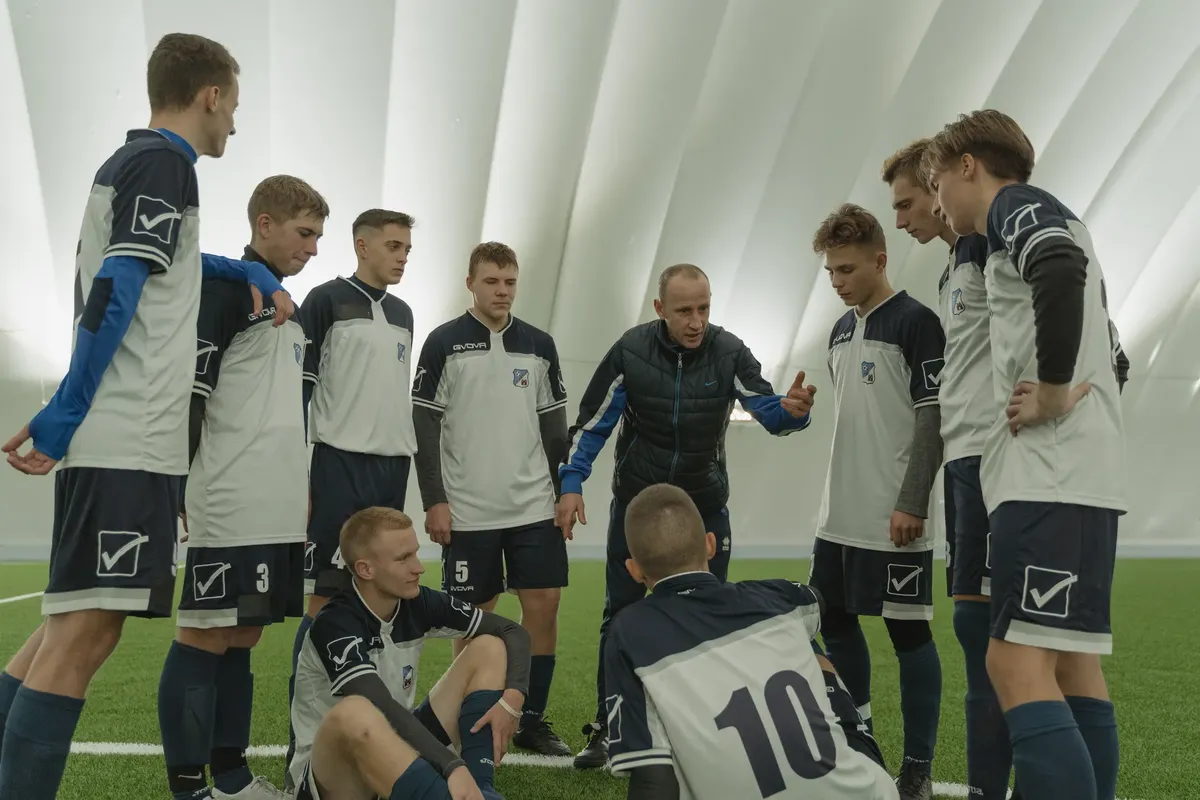
For a player used to the relatively predictable schedule of a domestic league, the knockout format of the FA Cup or the Champions League introduces a level of psychological pressure that can derail even the most talented individuals.
In major European competitions, every mistake is magnified by a global audience and a much more critical media landscape. The stakes of a single knockout match can define a career, creating a "win-or-nothing" environment that is much more prevalent in Europe than in the current MLS structure.
This mental load requires a specific type of psychological maturity to ensure that tactical discipline does not crumble under the weight of expectation.
Success in these environments requires a shift in mindset from "playing to compete" to "playing to win." This involves managing the anxiety of high-stakes moments and maintaining focus when the tactical plan is under siege by an opponent.
In this sequence, the second step is the most demanding.
Can tactical versatility close the gap? A coach stands on the touchline of a pitch in Madrid, pointing toward a gap in the defensive line that only a player with elite vision could see. The ability to adapt to multiple systems is what separates a reliable squad player from a world-class star.
As stated by football-data.org, the verified standings are for the 2026 season.
In Europe, players are often expected to be multi-functional. A fullback might be required to act as an inverted midfielder, or a striker might need to lead a high press while also being the primary target man.
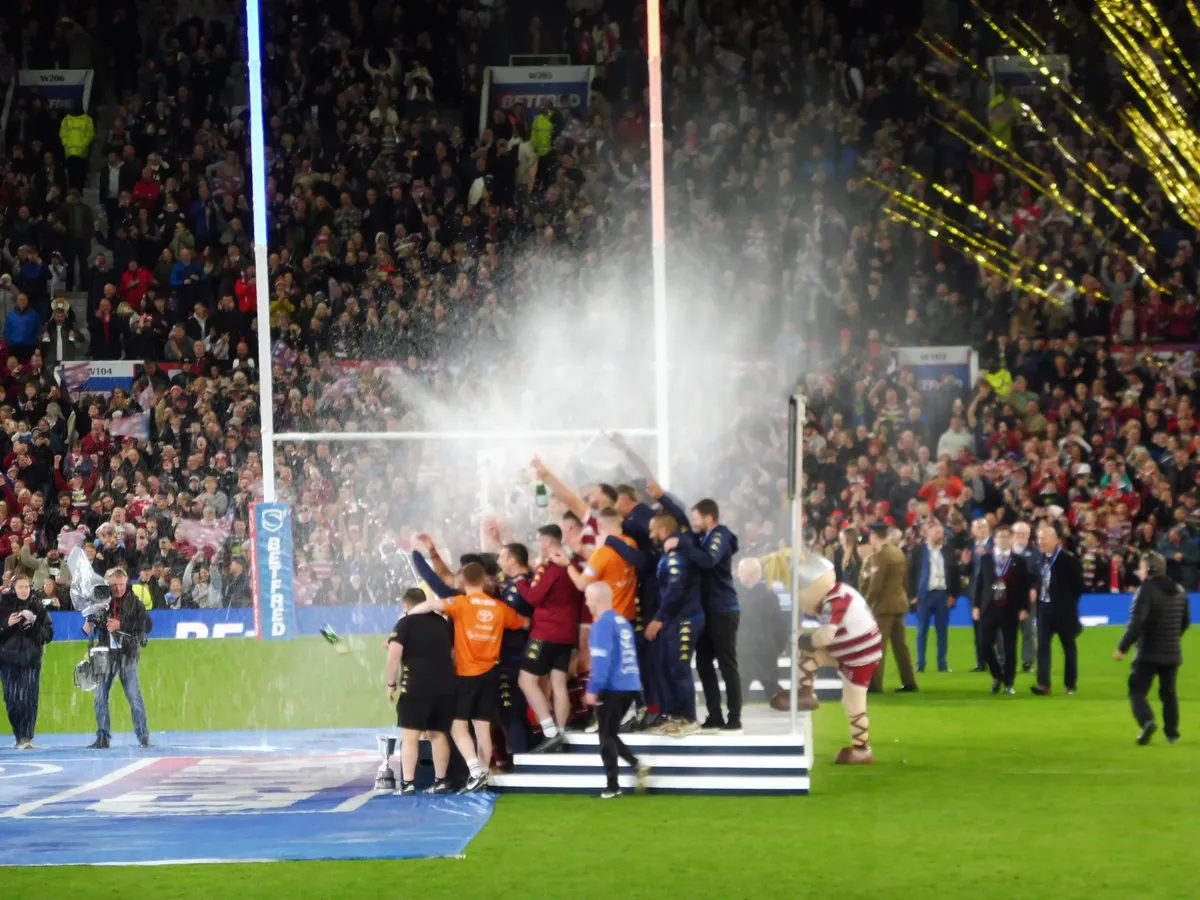
This versatility is often more strictly enforced through tactical drills and video analysis than in leagues where the playing style is more standardized.
| Feature | MLS Environment | European Elite Leagues |
|---|---|---|
| Primary Focus | Athleticism & Transition | Tactical Structure & Possession |
| Match Frequency | Lower (Travel/Congestion) | Higher (Multiple Competitions) |
| Tactical Rigidity | Moderate | High |
| Scouting Focus | Potential & Physicality | Refined Skill & Tactical IQ |
This table highlights the fundamental differences that players must navigate when moving between these two distinct footballing worlds.
Yet, versatility can become a liability if it leads to a lack of cohesive identity on the pitch.
Is the pursuit of trophies a realistic goal?
The sight of a player lifting a trophy in front of a sea of fans is the ultimate dream, but the path to that moment is paved with grueling competition. For many, the goal is not just to play in Europe, but to win the major honors that define a legacy.
The pursuit of trophies like the FA Cup or the Bundesliga title requires a level of squad depth and mental endurance that is hard to replicate in leagues with fewer fixtures.
Achieving success in these competitions is the ultimate validation of a player's ability to handle the highest level of professional football. It is about proving that they belong among the elite who have shaped the history of the sport.
I remember watching a young midfielder transition from a developmental league to a major European side; the way he adjusted his body language to match the intensity of the crowd was as significant as his passing accuracy. It wasn't just about the ball; it was about the environment.
This level of success is not applicable to every player, as the sheer volume of competition means that many talented individuals will remain squad players without ever touching major silverware.
This approach is not applicable when the squad depth is insufficient to sustain long-term competition.
When I tried the steps in order, the second one is where I paused longest.
The main difference is the speed of decision-making and the density of the midfield, where players have much less time to process tactical instructions compared to North American leagues.
Related



Comments 0