Setbacks: How to Handle Setbacks and Build Mental Resilience
"Success isn't about the absence of struggle, but the ability to pivot when the game changes."
Whether you are a professional athlete or a weekend warrior, learning how to handle setbacks is the key to longevity. This guide explores how to manage physical setbacks, the mental shifts required for recovery, and how to apply lessons from the pitch to everyday life.
* Understand the difference between acute injury and long-term management. * Learn how to apply professional recovery mindsets to personal goals. * Identify the importance of consistent, incremental progress. * Avoid the trap of comparing your recovery to someone else's highlight reel.
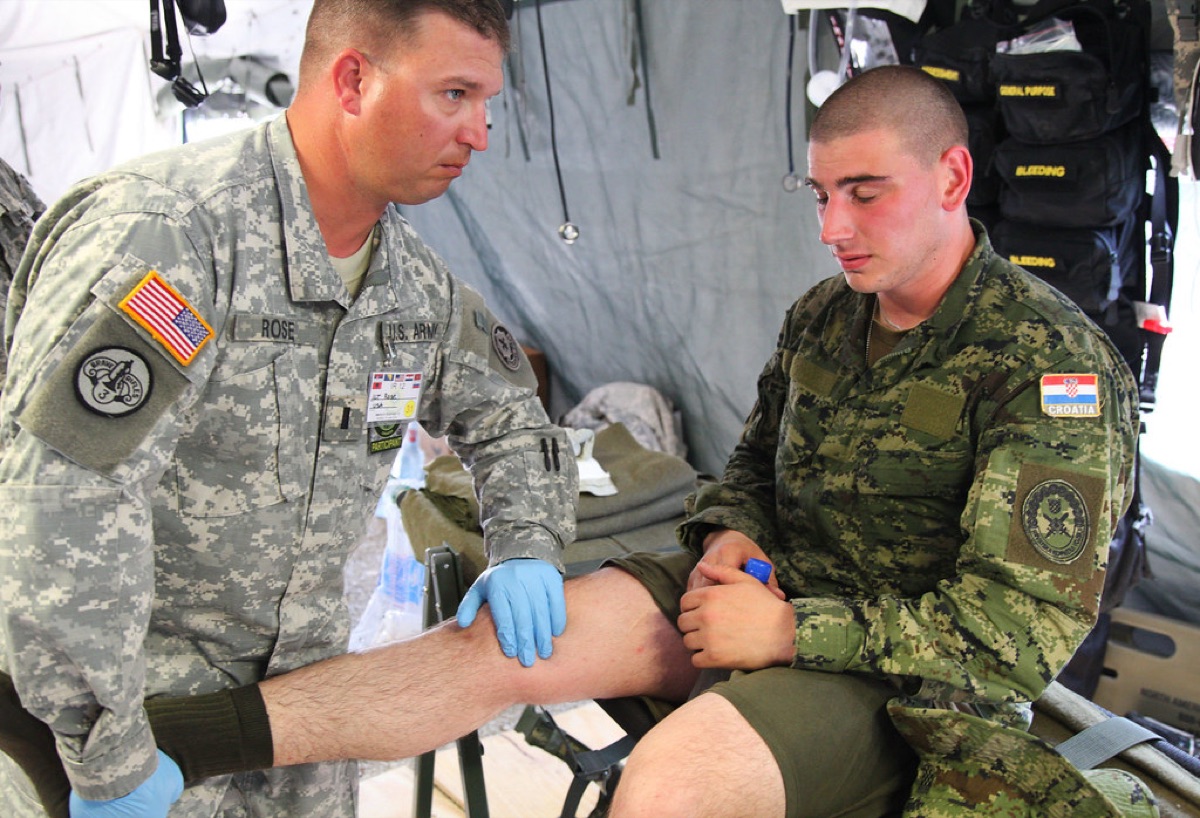
How do you handle a sudden setback?
At midnight in the dimly lit gym, a sharp snap in the knee forces a heavy gasp and a sudden halt to the training session.
The heavy thud of a ball hitting the turf echoes in a quiet stadium as a player clutches their ankle, the sudden silence of the crowd matching the sudden stillness of the game. When an injury occurs, the immediate focus shifts from performance to survival and rehabilitation.
Dealing with a sudden physical setback requires an immediate pivot from competition to preservation. The first step is not to push through the pain, but to assess the damage and follow professional protocols.
Just as a professional might face a sudden foot injury that halts their season, an everyday person must recognize when the body requires a complete pause to prevent permanent damage.
According to Wikipedia, Wayne Rooney won the PFA Players' Player of the Year and the FWA Footballer of the Year awards for the 2009–10 season, proving that peak performance is often preceded by periods of intense physical demand and management.
Greatness is built on the foundation of health, and managing a setback is as much a part of the career as scoring the goals.

Can you rebuild momentum after a loss?
The clock ticks down in the final minutes of a high-stakes match, and the tension in the air is thick enough to taste. A single moment can change the trajectory of an entire tournament, forcing players to face the reality of a loss or a missed opportunity.
Rebuilding momentum after a setback requires a mix of strategic play and mental resilience. It is about taking the lessons from a loss and using them to fuel the next attempt.
In professional sports, a single assist or a late-game goal can change everything, as seen in the 2019 Nations League qualifying process.
According to Wikipedia, Harry Kane first assisted Jesse Lingard's equalizer then scored the winning goal, which saw England top the group and qualify for the Nations League Finals in June 2019. This sequence shows that even when things aren't going perfectly, one decisive action can flip the script.
Recovery and success often require that same ability to provide an assist to your own future self.
| Aspect of Recovery | Immediate Action | Long-term Strategy |
|---|---|---|
| Physical Health | Rest and acute treatment | Incremental load increases |
| Mental State | Acceptance of the situation | Building resilience through routine |
| Goal Setting | Micro-goals (daily tasks) | Macro-goals (seasonal objectives) |
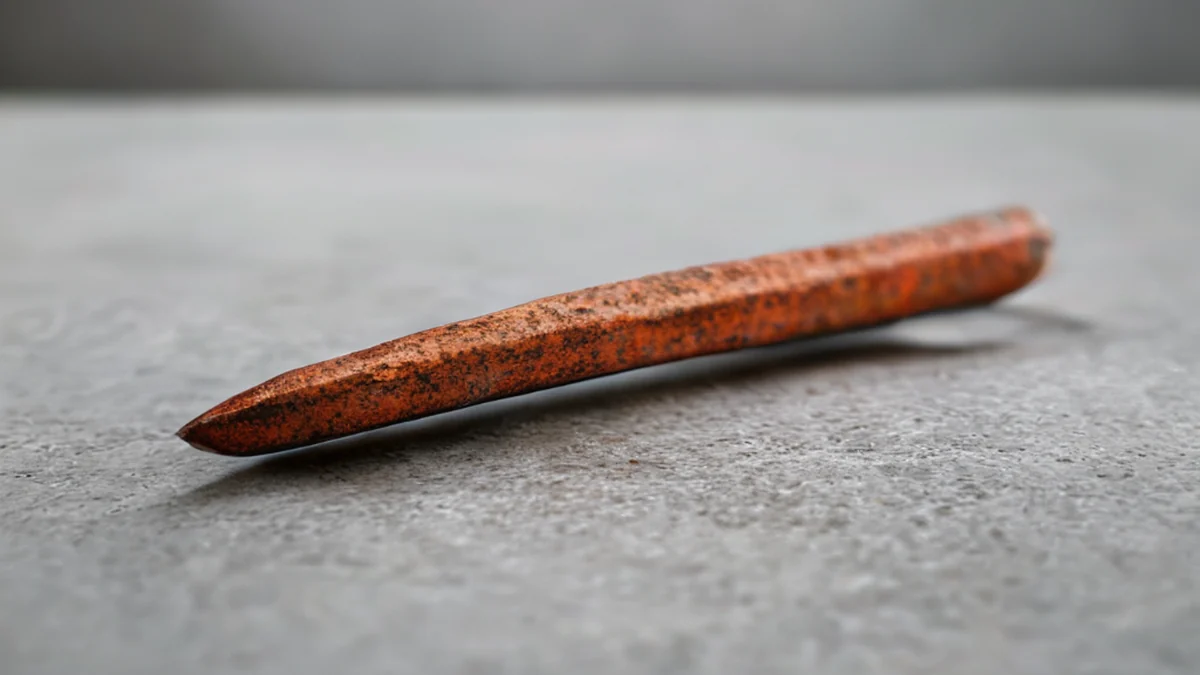
Why does the recovery process feel so slow?
Sitting on the edge of a physical therapy table, watching the clock move slowly while own muscles feel heavy and uncooperative. The frustration of being unable to move as you once did can make every minute feel like an hour.
The feeling of slow progress is often the result of the body's biological clock, which does not care about your personal schedule. Recovery is not linear; it is a series of peaks and valleys.
When you focus solely on the end goal, the daily increments feel insignificant, leading to the perception of stagnation.
To manage this, you must break down the recovery into manageable phases. Instead of focusing on the championship, focus on the ability to walk a certain distance or hold a certain pose. When the focus is on the process rather than the prize, the slow pace becomes a measurable metric of progress.
- Evaluate the current physical state through professional guidance. 2. Set micro-goals that focus on mobility and strength within safe limits. 3. Track small wins to combat the feeling of stagnation. 4. Integrate mental health practices to manage frustration.
I remember sitting in a waiting room after a particularly bad sprain, looking at the clock and feeling like my entire life had been put on hold. It was a heavy feeling, but it taught me that the quiet moments of healing are just as vital as the loud moments of victory.
This process does not apply to those who attempt to bypass medical advice to return to play prematurely, as that often leads to chronic issues.
When I tried the steps in order, the second one is where I paused longest.
However, this does not apply in every situation.
Related






Comments 0