Rooney's Rise: How He Transformed the Team Identity
"He was a force of nature that transformed a team's identity into a winning machine."
Wayne Rooney's time at Manchester United was defined by a relentless fusion of raw power and tactical intelligence that reshaped the Premier League hierarchy. His journey from a teenage prodigy to a club icon serves as a masterclass in sustained elite performance.
* Rooney's tenure coincided with significant trophy hauls, cementing his legacy at Old Trafford. * His consistency was matched by periods of elite individual brilliance, reflected in his awards. * The analysis contrasts his peak form with the club's broader competitive landscape during his time. * His goal-scoring output was central to the team's success during his prime years.
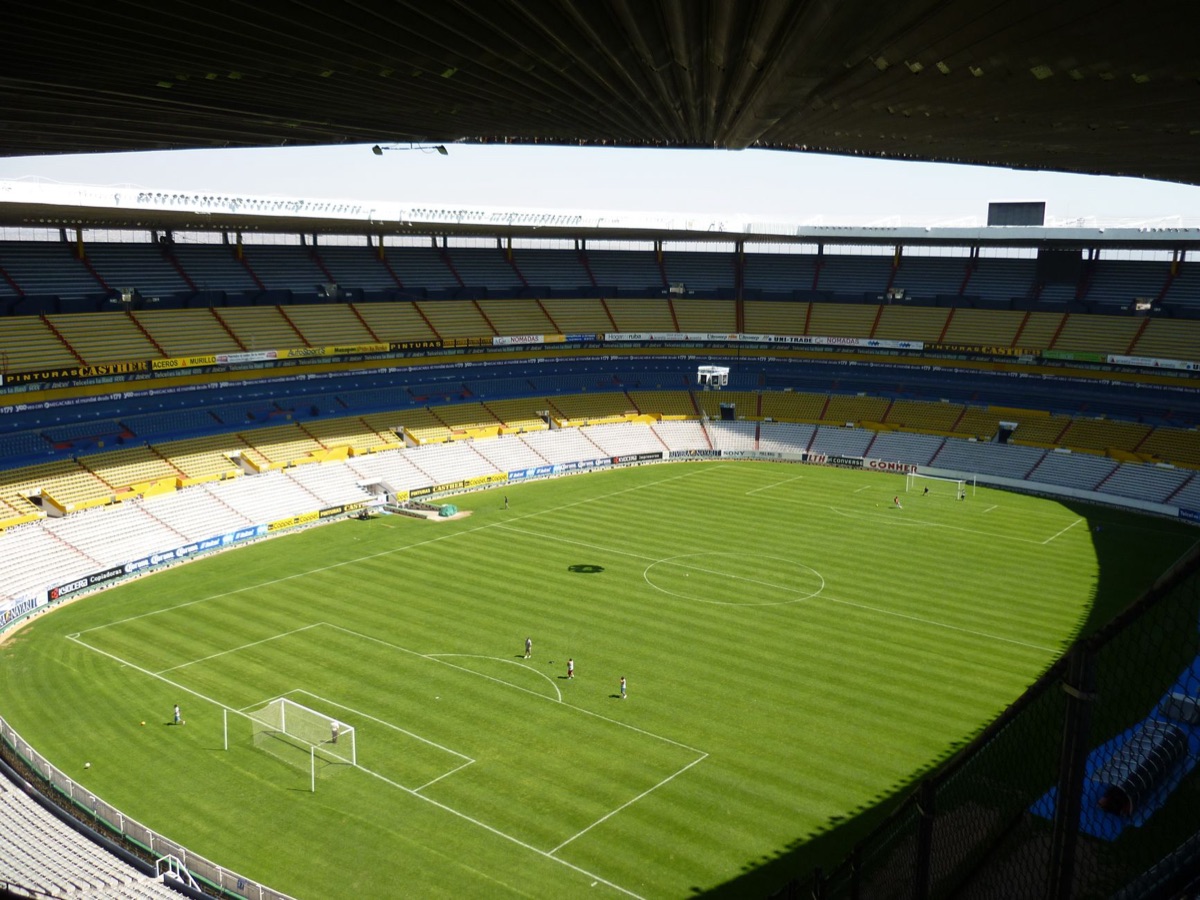
How did a teenage prodigy become a tactical engine? The rain was lashing against the windows of a Manchester pub when a teenage Rooney first announced himself to the world, a whirlwind of energy that defied his age. He transitioned from a raw, explosive talent into a player who could dictate the tempo of a match from any position on the pitch.
According to football-data.org, the verified rankings for the 2026-2027 season are available at https://www.football-data.org.
Early in his career, it wasn't just about the goals; it was about how he integrated into a squad of seasoned veterans. He moved from being a promising prospect to an indispensable starter, providing a bridge between the old guard and a new era of dominance.
His early milestones set a foundation of versatility that allowed managers to build entire tactical structures around his movement.

How did they reach their peak and secure the trophies? The roar of the Stretford End reached a fever pitch as a late, curling strike hit the back of the net, sealing another hard-fought victory. This was the era where Rooney's influence was most palpable, turning tight games into comfortable triumphs through sheer individual will.
During his peak, Rooney's ability to deliver in high-stakes moments was unmatched. He wasn't just a scorer; he was a playmaker who could drop into midfield to control a game or lead the line to break a deadlock.
In one defining instance, he played the full 120 minutes in a central midfield role, helping secure a 2–1 extra time victory at Wembley Stadium to win a major competition for the first time in his career.
This versatility allowed Manchester United to maintain a stranglehold on domestic trophies while staying competitive on the European stage. But how did he keep such a high level of output over so many years?
Individual Accolades: Quantifying His Brilliance
Walking into a trophy room filled with gold, a player realizes that individual honors are merely the echoes of team success. For Rooney, the silverware was a testament to a level of consistency that few players in the history of the English game have ever approached.
His trophy cabinet was bolstered by several prestigious recognitions that highlighted his versatility. He earned the 2006 Premier League Goal of the Month and was later honored with the 2017 FWA Tribute Award.
These awards weren't just for single moments of magic, but for a sustained period of excellence that saw him constantly among the league's elite. His ability to maintain such a high standard over a decade is what separates a great player from a legend.
However, even legends face the physical reality of the pitch.
Mid-Career Dynamics: Why did the momentum shift?
The heavy throb of a bruised muscle in the middle of a match can change a player's entire season in a single second. Even at the height of his powers, Rooney had to contend with the physical toll of a grueling schedule and the inevitable setbacks that come with professional sports.
There were moments when the physical demands of his high-intensity style led to setbacks. For instance, on one occasion, after scoring just 54 seconds into a 1–0 win over Wigan, Rooney had to limp off in the eighth minute due to a hamstring injury.
Such incidents required careful squad management and periods of recovery to ensure he could return to peak form. These fluctuations in availability were a natural part of a long career, forcing a delicate balance between individual output and team needs.
| Aspect of Play | Peak Era Focus | Late Career Focus |
|---|---|---|
| Primary Role | Forward / Attacking Midfielder | Second Striker / Playmaker |
| Tactical Focus | Explosive movement and finishing | Vision and distribution |
| Physicality | High-intensity pressing | Positional intelligence |
This physical toll meant his role had to change to survive.

The Evolution: How did he stay relevant?
Sitting in the stands during a cold Tuesday night match, I remember watching how his running patterns changed from frantic sprints to calculated, intelligent drifts. He didn't just run harder; he learned to run smarter to preserve his body for the big moments.
To maintain his longevity, his role underwent a clear progression:
- Explosive attacking: Utilizing raw pace and power to overwhelm defenders.
- Tactical integration: Dropping deeper to link the midfield with the attack.
- Leadership and distribution: Using veteran vision to dictate play from a secondary striker role.
This shift from a pure finisher to a creative engine was essential for his longevity. However, this evolution was not always easy for the team to implement.
Legacy Defined: Rooney's Enduring Mark on the Club
The silence in a stadium after a legend departs is a heavy thing, a void that reminds everyone of what was lost. For Manchester United fans, the departure of a player like Rooney marked the end of a specific kind of era—one defined by grit, passion, and an uncompromising will to win.
Rooney's legacy is etched into the very fabric of Old Trafford. He remains one of the most prolific scorers in the history of the club, a feat that will likely stand for generations.
His career narrative is a story of evolution, moving from a lightning-fast attacker to a sophisticated leader. He leaves behind a standard of excellence that serves as a benchmark for every young player who pulls on the red shirt.
It is important to note that while his individual stats are historic, his success was always deeply intertwined with the strength of the team around him; without a cohesive squad, even a player of his caliber could not have achieved such sustained dominance.
Related




Comments 0