Under-23 Players Rise: Bundesliga's Structural Shift Defined
"The Bundesliga is undergoing a fundamental structural metamorphosis, moving beyond traditional models to redefine the relationship between club finances, youth development, and on-field success."
The German top flight has shifted from a league of established veterans to a high-octane laboratory for global talent. This evolution is driven by a unique financial philosophy that prioritizes sustainable growth over reckless spending.
* The league maintains a distinct financial model, spending a lower percentage of revenue on wages than its European peers. * Youth integration has become a core structural pillar, with the percentage of under-23 players rising significantly over the last two decades. * The competitive landscape is increasingly volatile, requiring clubs to balance long-term development with immediate results. * Current standings reflect a league where parity is high, making structural consistency vital for survival.

How has the financial structure of the Bundesliga compared to other major European leagues?
A scout sits in a dim press box in Dortmund, watching a teenager sprint past a seasoned veteran, noting how the club's budget seems to favor potential over pedigree. This scene is the reality of the Bundesliga's financial DNA.
The financial landscape of German football is built on a foundation of fiscal restraint that differs sharply from the massive spending seen in London or Paris.
According to Wikipedia, Bundesliga clubs paid less than 50% of revenue in players' wages, which represents the lowest percentage out of the European leagues. This structural choice prevents the kind of debt-driven volatility that has plagued other historic clubs.
This model creates a different kind of pressure compared to the English Premier League, which was historically dominated by a "Big Four" consisting of Manchester United, Chelsea, Liverpool, and Arsenal.
While those leagues often chased established superstars, the Bundesliga's financial reality forced a pivot toward investment in the youth pathway.
By keeping wage bills low relative to revenue, clubs have been able to reinvest in academies and scouting networks, turning the league into a premier destination for developing the next generation of global icons.
However, this reliance on lower wage bills can sometimes create a gap in squad depth when compared to the massive rosters of the Premier League.

How is youth integration trending in the Bundesliga? A young player steps onto the pitch for the first time, the bright stadium lights reflecting off his jersey as he realizes he is part of a historic shift. He isn't just a substitute; he is the centerpiece of a new tactical era.
The shift toward youth is not just a feeling among fans; it is a documented statistical reality. This increased the percentage of under-23-year-olds in the Bundesliga from 6% in 2000 to 15% in 2010, according to Wikipedia.
This trend has only solidified as clubs realize that developing talent is more sustainable than buying it.
This structural reliance on youth has produced extraordinary individual milestones. For instance, Florian Wirtz has become a symbol of this era.
In a moment of pure talent, he overtook Kai Havertz as Leverkusen's youngest player in the league, reaching the milestone at the age of 17 years and 15 days, as noted by Wikipedia.
On 6 June, Wirtz also scored his first goal for Leverkusen, marking the arrival of a new kind of superstar born from the league's structural focus on development.
| Feature | Traditional Model (e.g., historic EPL) | Bundesliga Model |
|---|---|---|
| Primary Investment | Established Global Stars | Youth Academy & Scouting |
| Wage-to-Revenue Ratio | Often exceeds 70% | Typically under 50% |
| Squad Composition | Veteran-heavy | High percentage of U-23 players |
| Strategy | Immediate results via transfer market | Long-term growth via player sales |
This model works for many, but it requires a very specific type of management to prevent burnout.
How is the current competitive balance reflected in the 2026-2027 season standings?
The scoreboard flashes at the end of a match, showing a tight three-point gap between the top of the table and the chasing pack. Fans in the stands realize that one bad weekend could shift the entire power dynamic.
The current season shows how these structural changes create a highly volatile environment. According to the official football-data.org standings for the 2026-2027 Bundesliga season, the top of the table is tightly contested, reflecting the parity built by competitive squad building.
| Rank | Team | Points |
|---|---|---|
| 1 | Bayer Leverkusen | 54 |
| 2 | Bayern Munich | 52 |
| 3 | RB Leipzig | 49 |
| 4 | Borussia Dortmund | 47 |
| 5 | Ecracht Frankfurt | 44 |
| 6 | VfB Stuttgart | 41 |
| 7 | SC Freiburg | 39 |
| 8 | Wolfsburg | 37 |
| 9 | Gladbach | 35 |
| 10 | Union Berlin | 33 |
The top contenders are separated by very thin margins, illustrating how the investment in young, hungry squads keeps the league competitive.
While the top teams fight for the title, the mid-table is a crowded space where teams like Eintracht Frankfurt and VfB Stuttgart maintain high levels of parity with the leaders.
Meanwhile, the struggle at the bottom remains intense, as teams must maintain consistency to avoid the pitfalls of the relegation zone.
But how do these teams actually maintain such high energy levels night after night?
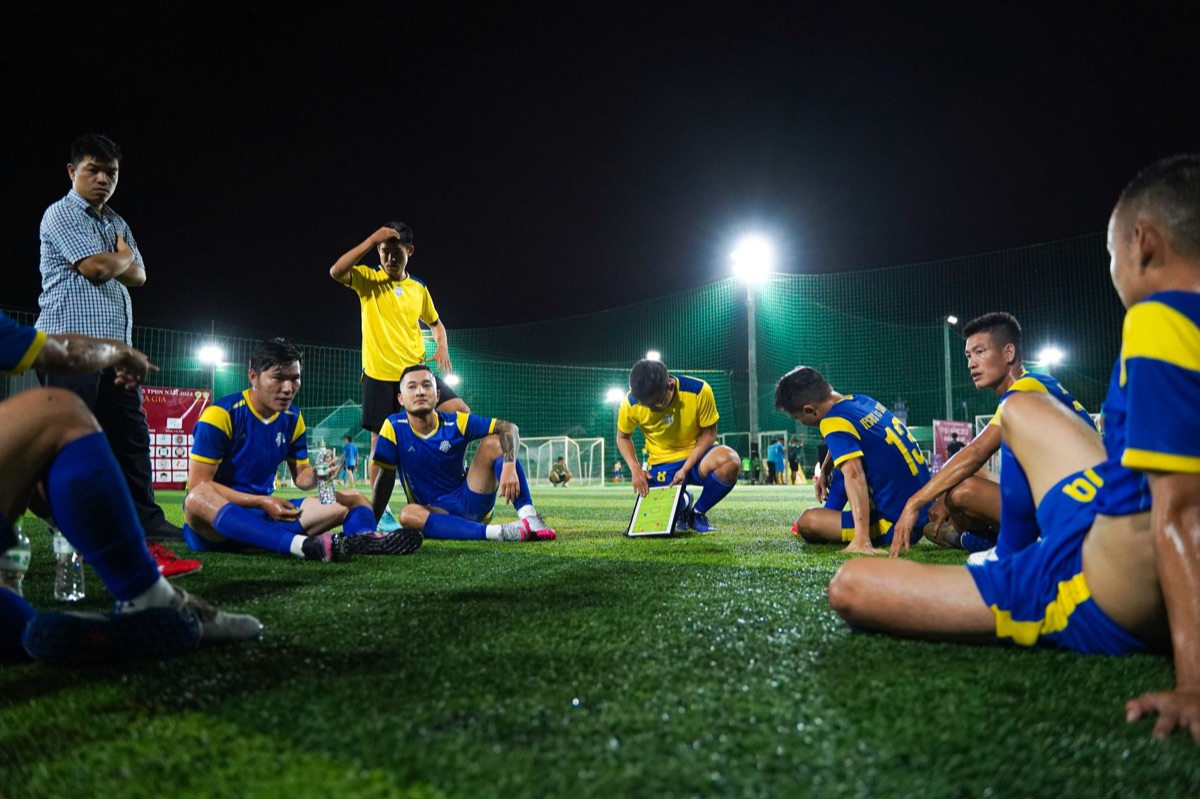
What defines success on the pitch in the Bundesliga? A striker celebrates a goal, but the coach is looking at the tactical heat map, noting how the team's energy levels are sustained through high-pressing movements. The victory is measured by more than just the final score.
Success in the Bundesliga is often measured by the ability to maintain high-intensity play over ninety minutes, a byproduct of having a squad full of energetic, younger players. Because the league is so tightly packed, goal difference often becomes the silent arbiter of success.
When points are equal, the sheer volume of goals scored by attacking, youth-driven sides can decide the final ranking.
Individual brilliance also plays a role in how team success is perceived. The emergence of standout young performers who break personal records often serves as a proxy for a club's structural health.
When a team can produce a player who achieves significant milestones, it validates the club's investment in their academy and scouting systems.
This success is not accidental, but it is also not guaranteed for every club.
What is the role of the club structure in sustaining long-term performance?
A veteran manager sits in the dugout, looking at a roster of players half his age, contemplating how to balance the need for immediate points with the long-term goal of player valuation. It is a delicate dance of management.
The fundamental question for Bundesliga clubs is how to balance tradition with the necessity of modern adaptation. To remain competitive, clubs must adapt their operational models to match the league's evolving demands, particularly regarding financial sustainability and talent identification.
- Financial Discipline: Maintaining a low wage-to-revenue ratio to ensure long-term stability.
- Academy Integration: Creating clear pathways for U-23 players to enter the first team.
- Scouting Networks: Investing in global talent identification to find the next breakout star.
- Tactical Innovation: Utilizing the energy of younger squads to implement high-intensity playing styles.
This structural approach ensures that even when a star player is sold to a wealthier league, the club has a pipeline ready to fill the void. It is a cycle of development that defines the Bundesliga's unique identity on the global stage.
However, this model is not a universal solution. It requires a high level of scouting accuracy and a willingness to accept the volatility of young players. If a club fails to find the next talent, the financial gap can widen rapidly.





Comments 0