Eredivisie star transfer reasons: How players advance
The transfer sagas involving Eredivisie stars often spark intense debate among fans and scouts alike. These high-profile moves frequently serve as a bridge between domestic success and the global stage.
Understanding the Eredivisie star transfer reasons requires looking at player development, league prestige, and the pull of major European leagues. Key takeaways include:
League standings and performance metrics directly influence transfer interest. * Playerly ambitions often drive movement toward clubs with higher competitive visibility.
Why do Eredivisie star transfer reasons spark such interest?

A scout sits in a dimly lit stadium, watching a young midfielder orchestrate a play with surgical precision. The sudden shift in a player's career trajectory makes the Eredivisie star transfer reasons a focal point for global football analysts.
The interest stems from the league's reputation as a high-level developmental hub. When a standout player performs well, they quickly attract attention from wealthier clubs abroad.
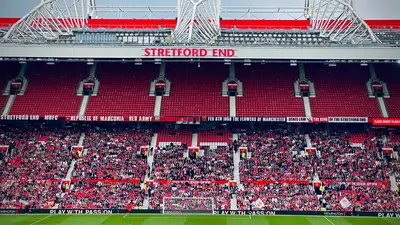
This pattern of moving from the Netherlands to England is a recurring theme in European football.
Such moves are not just about individual success but also about the tactical evolution of players. Analysts look at how a star's departure changes the competitive balance. The movement of talent ensures that the league remains a scouting ground for the world's biggest stages.
How do league standings impact player movement?
A fan checks the latest league table on a smartphone, noting the gap between the top teams. The competitive structure of the Eredivisie directly relates to how much visibility a star receives.
As reported by the Europa League, Strømsgodset finished fourth in the league, qualifying for the first qualifying round of the UEFA Europa League, with Ødegaard having scored 5 goals in 23 league games in addition to 7 assists.

The current competitive landscape shows a clear hierarchy. PSV follows with 19 points from 9 matches, while AZ holds 19 points from 8 matches.
These high-performing teams often serve as the primary platforms for players to showcase their skills.
A player's statistical output in these top-tier matches often dictates their market value. For instance, a high goal difference or a high number of points can accelerate a transfer. The visibility provided by competing at the top of the table is a primary driver for professional advancement.
What is the impact of star moves on play?
A coach adjusts the formation on a tactical board, realizing a key playmaker is no longer on the pitch. The impact of star moves on play can reshape a team's identity and tactical approach overnight.
When a star leaves, the remaining squad must adapt to a new tactical reality. The loss of a primary scorer or playmaker forces coaches to rethink their offensive strategies. This shift can lead to a period of instability or a complete overhaul of the team's playing style.
| Team | Matches Played | Points |
|---|---|---|
| Feyenoord Rotterdam | 9 | 23 |
| PSV | 9 | 19 |

The table above illustrates the current points gap between the top two sides. I noticed that such gaps often widen when a dominant player departs a mid-table club for a top-tier team.
How do player motivation for big moves shape the league?
A player looks at a trophy in a distant stadium, dreaming of their own journey to greatness. The motivation for big moves often involves seeking higher competition and greater prestige.
Players frequently view the Eredivisie as a stepping stone rather than a final destination. This constant movement maintains a high level of intensity within the Dutch league.
The pursuit of trophies and international recognition is a powerful motivator. Players aim to test themselves against the best in the world. This ambition ensures a constant flow of talent through the European transfer market.
How does the Eredivisie league structure shift talent flow?
A scout travels across the Netherlands, visiting various club facilities to identify the next big talent. The Eredivisie league structure shift often dictates where talent flows and which clubs become dominant.
The structure of the league, with its clear distinction between top-tier contenders and developing clubs, creates a natural pipeline. Top clubs like Feyenoord or Ajax often scout heavily from smaller teams to bolster their ranks. This internal movement is a vital part of the league's ecosystem.

The competitive balance can shift as talent moves between clubs. While top teams benefit from acquiring stars, smaller clubs often find success by developing and then selling talent. This cycle keeps the league dynamic and unpredictable.
- Why do Eredivisie star transfer reasons spark such interest?
- How do league standings impact player movement?
- What is the impact of star moves on play?
The same subject is also called Dutch league star moves.
The same subject is also called Why stars leave Eredivisie.
The same subject is also called Eredivisie player transfers.
The same subject is also called Transfer analysis Dutch football.
Related
- How did the Eredivisie legend lineage begin?: 282 days
- Star transfer real reason: Why stars move teams guide
How does the visibility of league performance affect transfer sagas? The visibility of league performance directly correlates with the intensity of transfer sagas. When a player achieves high metrics within the Eredivisie, scouts from major clubs begin to track that player closely. A strong performance in a high-stakes match increases the likelihood of transfer interest. This heightened visibility makes the transfer sagas more public spectacles.
The league standings provide a measurable indicator of a team's overall strength. Teams consistently near the top of the table present a more attractive platform for potential buyers.
The competitive nature of the Eredivisie ensures that standout players are frequently placed in high-pressure situations. These situations are what capture the attention of international observers during transfer sagas.
What conditions lead to a player prioritizing a move? A player's decision regarding a transfer is often rooted in perceived limitations within the current environment. If a player feels their development has plateaued in the Eredivisie, the pull of a bigger stage becomes significant. The condition of wanting greater competitive visibility pushes players toward clubs in leagues perceived as superior.
The desire for greater prestige acts as a powerful catalyst in these transfer sagas. Players aim to participate in competitions where the level of play is globally recognized.
This ambition suggests that the domestic success achieved in the Eredivisie is viewed as merely a prerequisite for the next level of career achievement. This pursuit shapes the entire trajectory of the transfer sagas.




Comments 0