How did the Eredivisie legend lineage begin?: 282 days
"The history of the Eredivisie is built upon the foundations of amateurism and the rise of legendary clubs that shaped the modern game."
The Eredivisie legend lineage is rooted in a transition from strictly amateur roots to a global powerhouse of talent. This legacy is defined by historic clubs competing for dominance and players who transitioned from local fields to international glory.
This guide explores the historical weight of the league, the impact of its storied clubs, and the current standings of the 2026-2027 season.
How did the Eredivisie legend lineage begin?
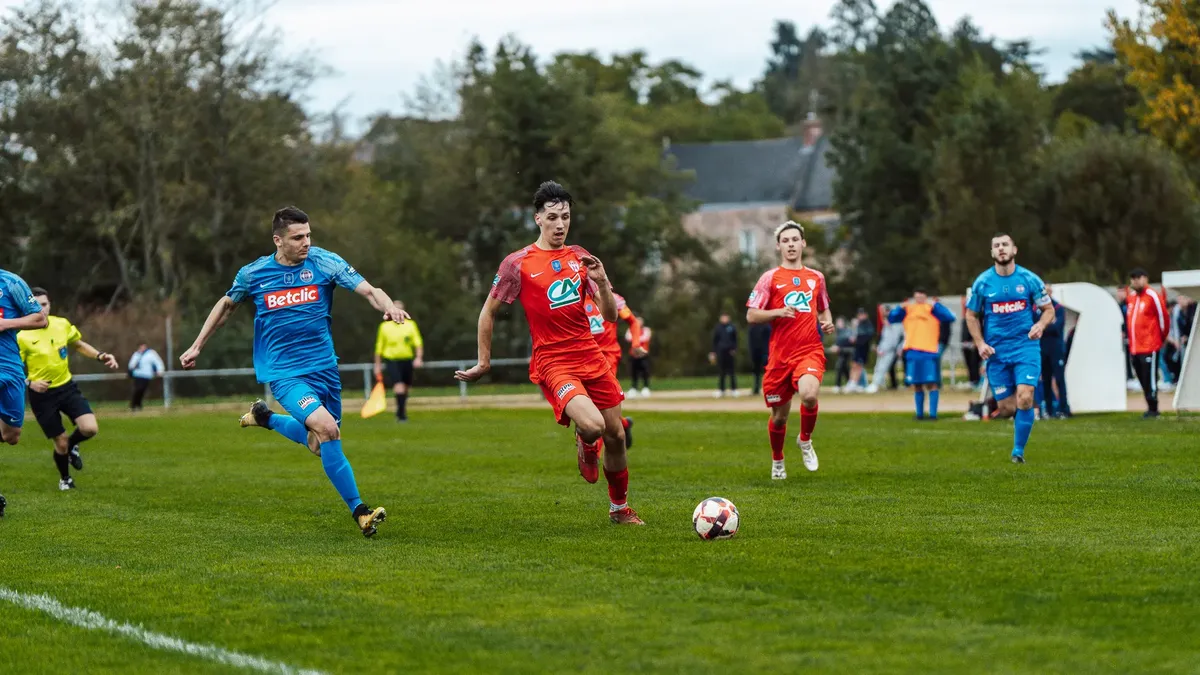
A group of players gathers around a dusty pitch, dreaming of the professional heights their club will one day reach. Before the modern era of massive transfers, the competition was purely an amateur one.
This strict amateurism established a culture of discipline and tactical purity that would eventually define the league's identity.
The early years focused on building a standard of play that could compete on the European stage. This period laid the groundwork for the tactical innovations that would later become the hallmark of Dutch football.
The transition from these rigid rules to a professional structure allowed the league to develop the depth necessary to produce world-class talent.
The foundation was laid through the establishment of professional structures and the early dominance of historic clubs.
What is the impact of classic Dutch clubs impact?
A coach stands in the center of a quiet stadium, tracing the tactical lines of a legendary formation used decades ago. The history of the league is inextricably linked to the rise of dominant clubs that achieved continental success.
For instance, the 1970–71 season saw Ajax retain the KNVB Cup and reach the 1971 European Cup final, where they defeated Panathinaikos 2–0 with goals from Dick van van Dijk and Arie Haan to become continental champions for the first time, with Cruyff being named European Footballer of the Year.
These historic achievements provided a blueprint for success that modern players still study. The dominance of specific clubs created a competitive tension that elevated the entire league's profile.
This heritage remains a driving force in the modern era, as clubs strive to replicate the greatness of their predecessors.
These storied institutions shaped the tactical identity of the league and fostered a deep-seated competitive culture.
How did players contribute to football tradition evolution?
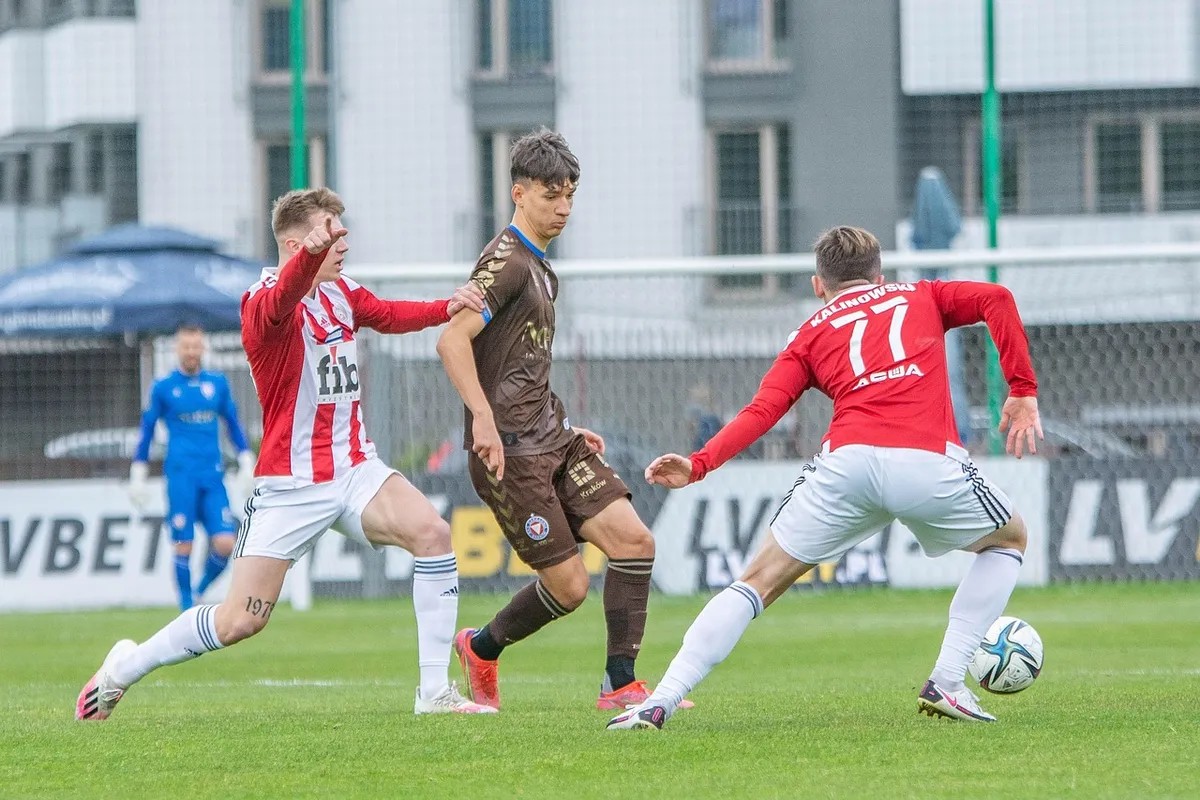
A young scout watches a teenage prodigy control the ball with effortless precision in a crowded training ground. The players emerging from the Eredivisie have always been at the forefront of tactical shifts.
One notable group of players once lost to Manchester United with a lineup that was the youngest ever in a European final, averaging an age of 22 years and 282 days.
This ability to develop young talent became a core component of the league's identity. By nurturing players at an early age, the Eredivisie became a primary source of talent for the rest of the world.
This constant flow of players helped the league maintain its relevance throughout various eras of football history.
- Developing unique technical skills.
- Implementing innovative tactical philosophies.
- Exporting the Dutch style to global leagues.
What are the greatest Dutch players now in the standings?
An official checks the latest digital scoreboard, noting the shifting positions of the top-tier teams. The current competitive landscape shows how the legacy of these clubs continues to manifest in modern results.
| Club | Matches Played | Points | Goal Difference |
|---|---|---|---|
| Feyenoord Rotterdam | 8 | 20 | +20 |
| PSV | 8 | 19 | +16 |

The fight for the top spot remains intense among the traditional powerhouses. While the names of the clubs remain consistent, the battle for dominance is as fierce as ever. This competitive environment ensures that the league remains a proving ground for the next generation of stars.
In this sequence, the second point is the most extensive.
How is the league's legacy maintained?
A veteran player walks through the club tunnel, feeling the weight of the jersey and the history it carries. Maintaining the Eredivisie legend lineage requires a balance between honoring the past and embracing the future.
The league continues to serve as a vital pipeline for global football, even as the scale of the game changes.
The tactical identity established by past champions remains a guiding principle for many clubs. This continuity helps ensure that the unique style of play associated with the region is not lost.
By staying true to these roots while adapting to modern demands, the league preserves its unique place in the footballing world.
The league preserves its heritage by balancing historical prestige with a continuous focus on youth development.
How to track the current Eredivisie standings?
A fan opens a smartphone app to check the latest scores and league rankings after a weekend of matches. To stay updated on the current state of the league, follow these steps:
- 2. Monitor the performance of top clubs such as Feyenoord Rotterdam and PSV to see how they manage their goal differences. 3. Compare the points and goal differences of the top ten teams to understand the current competitive hierarchy. 4. Perform a final check of the updated standings after every round of matches to ensure accuracy.

I find that checking the goal difference is often as telling as the points themselves when evaluating team strength. This comparison provides a clearer picture of dominance within the league.
One limitation of analyzing historical greatness is that the transition from the amateur era to the professional era changed the fundamental nature of competition, making direct comparisons to the 1970s difficult.
Fans can monitor real-time updates through official league websites and sports broadcasting applications.
The same subject is also called Dutch league history stars.
This part also covers How Eredivisie shaped modern game.
This part also covers Tracing club heritage influence.
This part also covers Star players' lasting football legacy.
How Eredivisie shaped modern game
Related


Comments 0