South Korea's Soccer Pipeline: From Scouting to Stardom
The Hidden Stage Behind Korea’s Football Stars
Korea's most dazzling football moments—where star players score and shine—are always met with thunderous cheers and passionate fanfare. Yet behind every triumphant highlight lies a less visible journey. It begins with years of relentless training during youth years, intense scrutiny by coaches and scouts, and a structured development system that gradually shapes raw talent into stardom. This article takes a close look at Korea’s "secret stage," examining how scouting networks and youth football education play pivotal roles in nurturing the next generation of stars.
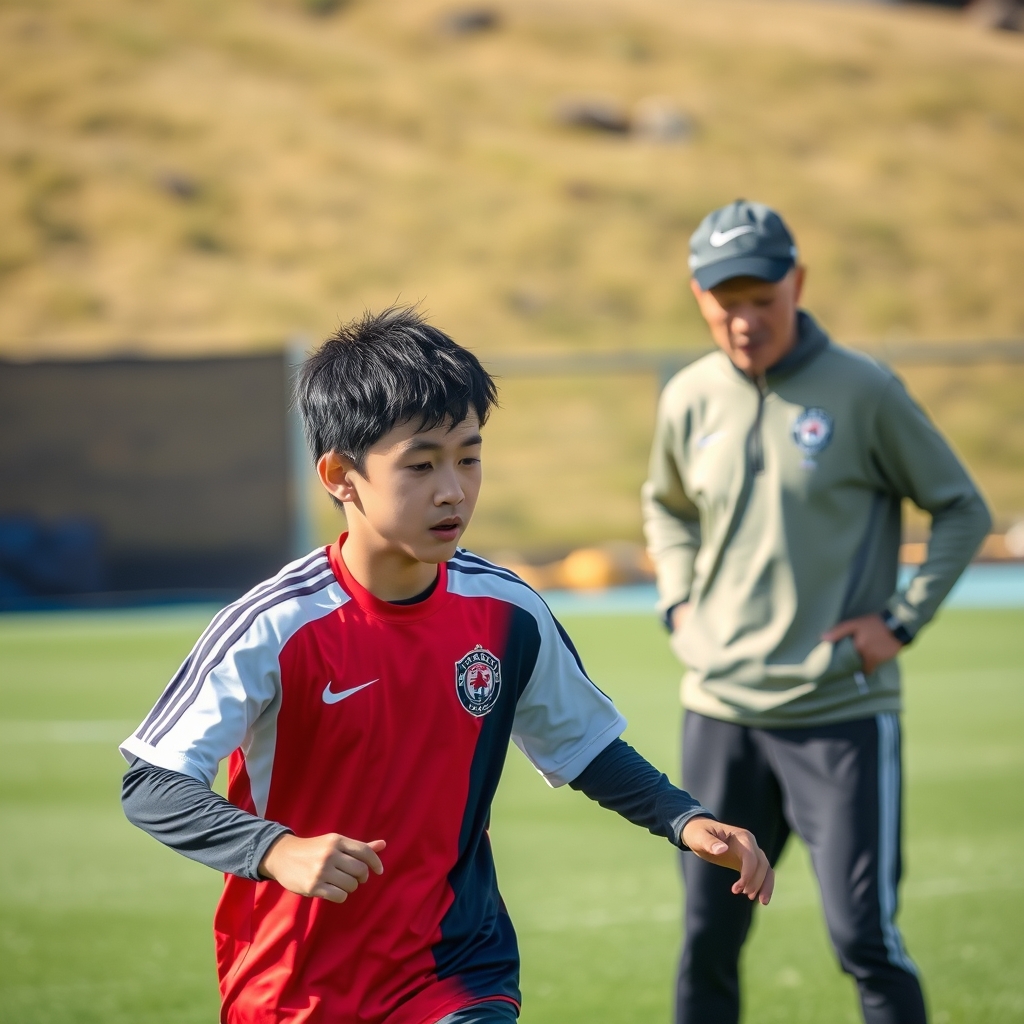
Scouts: The Unseen Architects of Star Players
In football, "scouts" are commonly perceived as talent spotters. Yet their role extends far beyond merely watching who's playing; they assess the most crucial elements in shaping long-term careers. South Korean scouts spend their time traversing training grounds and youth tournaments, evaluating players not only on technical ability but also on mental attitude.
For instance, at a U-18 league tournament, scouts closely observe not just passing and shooting accuracy but also how players demonstrate teamwork, make situational judgments, and decide under pressure. South Korean scouts tend to value the "process over results." Rather than focusing solely on whether a player scored or missed, they prioritize how the individual approached and resolved in-game challenges.
Since the mid-2010s, South Korea Football Association has steadily strengthened its systematic scouting network. A structured tracking and outreach system now connects talented youth identified at regional tournaments and local football academies across the country. As a result, players who once were noticed only in top-tier leagues are now gaining attention from regional clubs and local youth teams.
Youth Development Core: Football Thinking Over Technical Skill
In recent years, South Korean football has moved away from a purely "technique-centered" education model and begun emphasizing football thinking—the intelligent decision-making that determines what action to take in different game situations, far beyond just "kicking and dribbling well."
For example, a promising U-15 player who, after losing possession in the opponent’s half, doesn’t simply turn away but quietly moves behind their defense to create space is demonstrating football thinking. Such subtle decisions can determine match outcomes, and this awareness now forms a central focus in youth coaching.
South Korean football has also shifted toward prioritizing team play over individual skill. The 2023 Youth Learning Manual issued by the Korea Football Association explicitly encourages "cooperative play over individualism." This philosophy draws inspiration from youth systems in Japan and Germany, where the emphasis is not on one player scoring alone but on how the entire team collaborates to build attacks.
Notably, football academies in cities like Incheon, Daejeon, and Gwangju have introduced game-based training. Instead of focusing primarily on technical drills, these programs simulate real-game scenarios so students learn to make correct decisions under pressure—just as they would in actual matches. This approach is widely recognized as highly effective for nurturing capable footballers.
The Player’s Growth Journey: Bridging Scouts, Youth Academies, and Professional Teams
Korean football clubs once relied heavily on tournament results to identify promising talent. Today, they’ve established systems where scouts begin tracking players from youth teams onward.
For example, FC Seoul’s Youth Academy has since 2018 systematically evaluated promising talents discovered nationwide. Over a three-year development program, these players undergo structured training and evaluation to prepare for professional teams. Throughout this process, scouts conduct evaluations at least twice weekly—monitoring physical condition, mental stability, and team integration.
This structured pipeline has significantly enhanced competitive edge in the transfer market. Over the past three years, domestic youth transfers within South Korea’s professional league have increased—evidence of successful scouting and development systems. Many players who began in K League 2 have since advanced to K League 1 after growing through Korea Football Association–run youth coaching programs.
Moreover, clubs have moved beyond the outdated model of "one year of training, then scouted and signed." Instead, they now operate development-stage-specific support programs, offering customized training in physical, technical, and psychological aspects from age 12 to 18. These programs help secure long-term player growth and significantly shorten the adaptation period when players eventually join professional teams.
The Future of Korean Football: Stars Forged in the Hidden Stages
The most dazzling moments in South Korean football always unfold on the pitch. Yet these brilliant performances are made possible by what happens behind the scenes—by scouts and youth development systems.
While technical ability matters, even more vital are football thinking and a consistent process of growth.
Today, South Korean football is increasingly equipped to compete on the global stage. With growing prospects of hosting the 2026 World Cup, domestic talent development systems are becoming more critical than ever. Future South Korean stars won’t just be those who shine on match days—they will be strategic, intelligent players, nurtured from the moment scouts first spot them and shaped by a rigorous youth education foundation.
Ultimately, true football stars aren’t born only on the pitch. They emerge from countless unseen efforts behind the scenes—where every decision, every drill, and every observation contributes to a single moment of brilliance.

Comments 0