Bundesliga legend lineage: How youth academies guide talent
"The legacy of a league is built on the foundation of its youth and the passion of its crowds."
This resurgence draws interest from fans looking at how tactical stability and homegrown talent shape a competitive environment.
Why does the Bundesliga legend lineage matter?
A scout sits in a crowded stadium, watching a teenager navigate a tight midfield space. The Bundesliga legend lineage remains vital because it represents a continuous cycle of talent production and fan engagement.

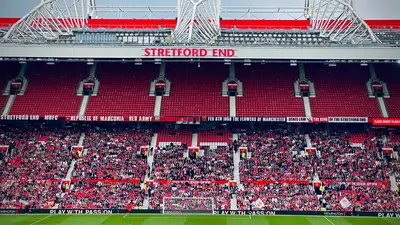
According to Wikipedia, the Bundesliga is the second-highest league by average attendance as of 2024–25, with 38,656 spectators per game, behind only the English Premier League. This massive physical presence creates a living history where legends are born in front of packed stands.
The constant energy from these crowds fuels the competitive spirit required to sustain a top-tier reputation.
How did youth academies shape this legacy?
A coach stands on a training pitch, observing a young player execute a perfect pass. The German Football Association and the Bundesliga required every club to run a youth academy after 2000 to develop local talent for both clubs and the national team.
According to Association and the Bundesliga required every, after 2000 the German Football Association and the Bundesliga required every club to run a youth academy with the aim of developing local talent for the club and the national team.
This structural mandate ensured a steady stream of high-quality players.
This focus on internal development prevents the loss of identity that often occurs with heavy reliance on external transfers. By cultivating talent at home, clubs build a sense of continuity that fans recognize as a hallmark of greatness. The result is a league where legends are often homegrown.
How did digital influence impact the soccer past revival?
A fan in a distant city watches a live-streamed match on a smartphone. The soccer past revival is being bolstered by modern technological adoption.
In 2017, the Bundesliga outperformed the English Premier League in online influence in China due to its embrace of live-streaming and fast-forward visions.
This digital savvy allowed the league to project its history and current stars to a global audience instantly. By bridging the gap between traditional matches and modern viewing habits, the league maintains relevance across borders.
This connectivity keeps the legends of the pitch in the global spotlight.
What are the risks of ignoring local talent?

A club executive reviews a balance sheet, noting the high cost of international transfers. The greatest league players are often those who represent a club's specific philosophy, but mismanagement can derail this.
For example, after winning the Champions League in 1997 and multiple titles, Borussia Dortmund gambled on an expensive group of largely foreign players.
This strategy failed, and the club narrowly escaped liquidation in 2006. Such a period highlights the danger of moving away from sustainable development. Relying solely on expensive outside talent can threaten the very stability that built a legendary reputation.
How do current standings reflect this competitive balance?
A fan checks the league table on a tablet, noting the tight points gap. The top-tier club legends now fight for dominance in a highly competitive seasonal structure. The 2026-2027 season standings demonstrate this parity among the leading teams.
| Club | Points (5 Matches) | Goal Difference |
|---|---|---|
| SC Freiburg | 13 | +10 |
| Borussia Dortmund | 13 | +7 |
| FC Bayern München | 11 | +12 |
| Bayer 04 Leverkusen | 10 | +6 |
I noticed that even with high goal differences, the points remain closely contested among the top four. This balance keeps the pursuit of greatness at the forefront of every matchday.
How can clubs maintain a sustainable greatness?
A trainer organizes a tactical drill for a group of rising stars. Maintaining a top-tier status requires a disciplined approach to club management. To sustain a legendary reputation, clubs should follow these steps:
- Prioritize youth academy investment to ensure a pipeline of local talent. 2. Manage transfer budgets carefully to avoid the financial instability seen in past decades. 3. Embrace digital platforms to grow the global fan base without losing local identity.
A final check of the club's long-term strategic plan ensures these pillars remain intact. Without this balance, the connection between the club's history and its future can break.

- The Bundesliga legend lineage is currently being redefined through a blend of deep-rooted youth development and massive spectator engagement.
- Key takeaways include the impact of mandatory youth academies, high stadium attendance, and the strategic shift toward digital influence.
- This history ensures that the league maintains a distinct identity compared to other European competitions.
The same subject is also called German league history.
The same subject is also called Top club legends now.
This part also covers Why old league stars matter.
This part also covers Modern focus on past greats.
This part also covers Bundesliga legacy resurges.
Why old league stars matter
Related
- Serie A team structure changes impact 27 player squad guide
- Premier League star transfers: Tips on squad overhauls guide
How does high attendance reinforce the league's legacy?
- The massive physical presence of the Bundesliga creates a living history where legends are born in front of packed stands. 2. This constant energy from the crowds fuels the competitive spirit required to sustain a top-tier reputation for the league. 3. High stadium attendance directly supports the foundation of the league's legacy through visible fan passion.
What conditions necessitate careful financial oversight?
- Mismanagement of club finances can derail the potential of great league players, even when talent is present. 2. Relying solely on expensive outside talent can threaten the very stability that built a legendary reputation for the league. 3. A final check of the club's long-term strategic plan ensures that the pillars supporting the league's legacy remain intact.
The comparison between the Bundesliga and the English Premier League shows the Bundesliga maintains a strong physical presence despite the Premier League's higher standing in attendance. This contrast highlights how different aspects contribute to a league's overall stature.
The structural mandate requiring youth academies after 2000 ensured a steady stream of high-quality players, which is a key element of the league's enduring legacy. This internal development contrasts with strategies that favor immediate, costly external acquisitions.
The digital savvy of the league allowed it to project its history and current stars globally, which is a modern component of its evolving league legacy.



Comments 0