Building Success: The Eredivisie's Systemic Model for Growth
"Success in the Eredivisie is not a matter of luck; it is a calculated byproduct of structural design."
The Eredivisie serves as a masterclass in how specialized operational models can compete against much larger financial giants.
While the sheer wealth of the Premier League often dictates results, the Dutch league thrives on a specific blueprint: developing high-level talent through systemic consistency.
* Long-term success in the Eredivisie requires a seamless link between youth academy philosophy and first-team tactics. * Leading clubs prioritize a "system-first" approach, where the tactical identity is more important than any single star player. * Current league standings demonstrate that operational consistency in the early season directly correlates to dominant goal differences and points accumulation.

How Do Top Eredivisie Clubs Define Their Operational Blueprint?
A scout sits in a dim room in Rotterdam, watching a teenager execute a perfect pressing trigger, knowing this moment was planned three years ago. This is the essence of the Eredivisie operational model.
The blueprint of a top Dutch club is built on identity rather than just roster depth. While many leagues focus on buying immediate solutions to tactical problems, Eredivisie powerhouses focus on building a pipeline.
This involves a heavy investment in youth academies that act as the primary engine for the first team. By integrating academy players into a standardized tactical system from a young age, clubs ensure that when a player moves to the senior squad, the transition is seamless.
This continuity extends to the coaching staff. A common pitfall for many clubs is the "managerial whim," where a new coach arrives and completely upends the club's philosophy.
Successful Eredivisie clubs maintain a core philosophy—often centered on attacking, possession-based football—that remains constant regardless of who is on the touchline. This allows the club to sell stars to larger leagues without the entire structure collapsing.
Financial sustainability is the silent partner in this strategy.
Because these clubs cannot outspend the giants in England or Spain, they must operate on a model of "reinvestment through development." Every decision, from scouting to training ground technology, is geared toward maximizing the value of their human capital.
But building a pipeline is only half the battle.

What Does the Current Season's Data Reveal About Team Performance?
As the morning sun hits the stadium glass, a fan stares at a glowing phone screen while breathing in the crisp air.
The morning sun hits the glass of a modern stadium as a fan checks their phone, seeing the updated league table for the first time that day. The numbers on the screen tell a clear story of operational dominance.
The current season's data from football-data.org provides a clear look at how these strategies manifest in real-world results. The gap between the leaders and the rest of the pack is not just about talent, but about the efficiency of their operational models.
| Team | Points | Goal Difference | Record (W-D-L) |
|---|---|---|---|
| AZ | 19 | +12 | 6-1-0 |
| Feyenoord Rotterdam | 17 | +18 | 5-2-0 |
| AFC Ajax | N/A | +12 | N/A |
Looking at the top of the table, AZ has demonstrated incredible consistency, securing 19 points from 7 games with a record of 6 wins, 1 draw, and 0 losses. Their +12 goal difference reflects a team that is tactically disciplined and rarely caught out of position.
Feyenoord Rotterdam follows closely with 17 points from 7 games (5W, 2D, 0L). Their +18 goal difference is particularly telling, suggesting an offensive efficiency that is a direct result of their attacking identity.
The competitive density is evident when comparing these leaders to the mid-table.
While AFC Ajax maintains a strong +12 goal difference, the points gap between the top five and the rest of the league shows how much the "elite" operational models pull away from teams that lack a clear developmental pipeline.
However, numbers on a page don't always capture the physical reality of the pitch.
How Do Tactical Approaches Translate into On-Field Results?
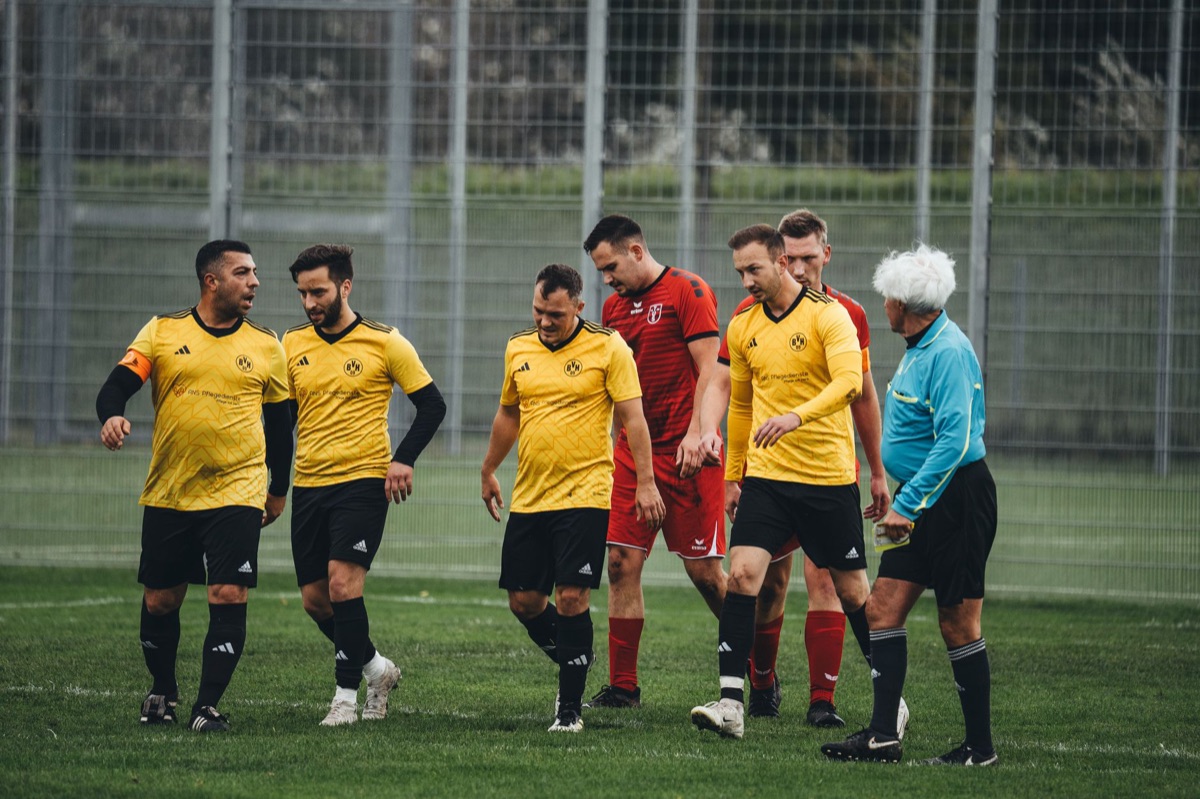
A player stands in the center circle, breathing heavily, looking at his teammates to ensure they are all shifted five yards to the left as the opposing winger makes his run. This silent communication is the result of months of drilled tactical cohesion.
Tactics in the Eredivisie are not just about formations; they are about a unified language. When a club's operational strategy is sound, the tactical approach becomes a natural extension of the club's identity.
This systemic cohesion means that every player, from the goalkeeper to the striker, understands the pressing triggers and passing lanes.
This identity often splits into two clear paths: attacking dominance or defensive solidity. Most top Dutch clubs lean toward an attacking identity, using high lines and aggressive pressing to dictate play.
However, the success of these tactics depends on the squad's ability to execute them under pressure. If the tactical identity is too rigid, the team struggles when they encounter a low-block defense.
This is where squad depth becomes a critical operational factor. A team that relies on a single tactical masterstroke will struggle during the grueling mid-season period.
Successful clubs manage rotation carefully, ensuring that substitute players are trained in the exact same tactical nuances as the starters. This allows the team to maintain its identity even when the lineup changes.
But how do you keep the business running while the tactics change?
Beyond the Pitch: The Business Side of Sporting Success
A manager shakes hands with a scout in a quiet corner of a training facility, finalizing a deal for a player who fits a specific role rather than a specific name. This is the business of building a sustainable football club.
The business side of the Eredivisie is often where the "magic" is actually manufactured. Transfer window efficiency is a key metric of success. Instead of chasing the most famous names, successful clubs look for players who fit their specific operational model.
If a club's identity is built on high-intensity pressing, they will target players with high stamina and tactical intelligence, even if they lack "star power."
Infrastructure investment also plays a massive role. The link between state-of-the-art training facilities, advanced scouting networks, and sustained competitive advantage is undeniable.
A club with a superior scouting network can find undervalued talent in smaller leagues, bringing them into the Eredivisie system to be refined and eventually sold for a profit.
Finally, stakeholder alignment is the glue that holds everything together. The board, the coaching staff, and the players must all be pulling in the same direction.
If the board wants to build a long-term talent factory but the coach wants to buy aging veterans to win immediately, the operational model will fail.
When I watched a match in Utrecht last spring, I noticed how the bench players moved with the same synchronized intensity as the starters. It wasn't just luck; it was the result of a clear, repeatable process.
Summary of Operational Strategies
- Identity-Driven Recruitment: Prioritize players who fit the tactical system over individual reputation.
- Academy Integration: Create a seamless pipeline from youth levels to the first team to ensure tactical continuity.
- Coaching Stability: Maintain a core philosophy that survives changes in management.
- Data-Informed Scouting: Use advanced metrics to find undervalued talent that fits the club's physical and tactical requirements.
- Financial Reinvestment: Use transfer profits to fund infrastructure and scouting, creating a self-sustaining cycle.
FAQ
Why is the Eredivisie considered a "development league"? It is a result of an operational strategy that focuses on talent identification and refinement.
Because the financial ceiling is lower than in other major leagues, clubs must create value by developing players, which requires a heavy focus on coaching and academy structures.
How does a high goal difference relate to team strategy? A high goal difference usually indicates a team that has successfully implemented a consistent tactical identity.
It shows that the team is not just winning, but is dominating the space on the pitch, which is a sign of superior tactical cohesion.
Can a club succeed in the Eredivisie without a big budget? Yes, provided they have a strong operational blueprint. Many successful clubs use a "system-first" approach, where the tactical structure allows them to compete with more expensive squads by being more organized and efficient.
The Eredivisie proves that while money can buy players, a clear operational strategy builds a club. For those looking to understand the future of football management, the Dutch model offers a blueprint of how to turn talent into a sustainable competitive advantage.




Comments 0