K League star tactical roles: Why versatility is a hallmark
"The tactical evolution of a league relies heavily on how individual brilliance integrates into collective structures."
K League star tactical roles are defined by how elite players balance individual creativity with the rigid defensive or offensive structures of their clubs.
This analysis explores how these players serve as the engine for team dynamics, how they adapt to varying coaching philosophies, and how their movement creates space for others.
This guide examines the specific ways K League star player roles influence the pitch, the importance of versatility in modern squad building, and the inherent limitation of relying on single-player brilliance in complex tactical systems.
How do K League star tactical roles shape team dynamics?
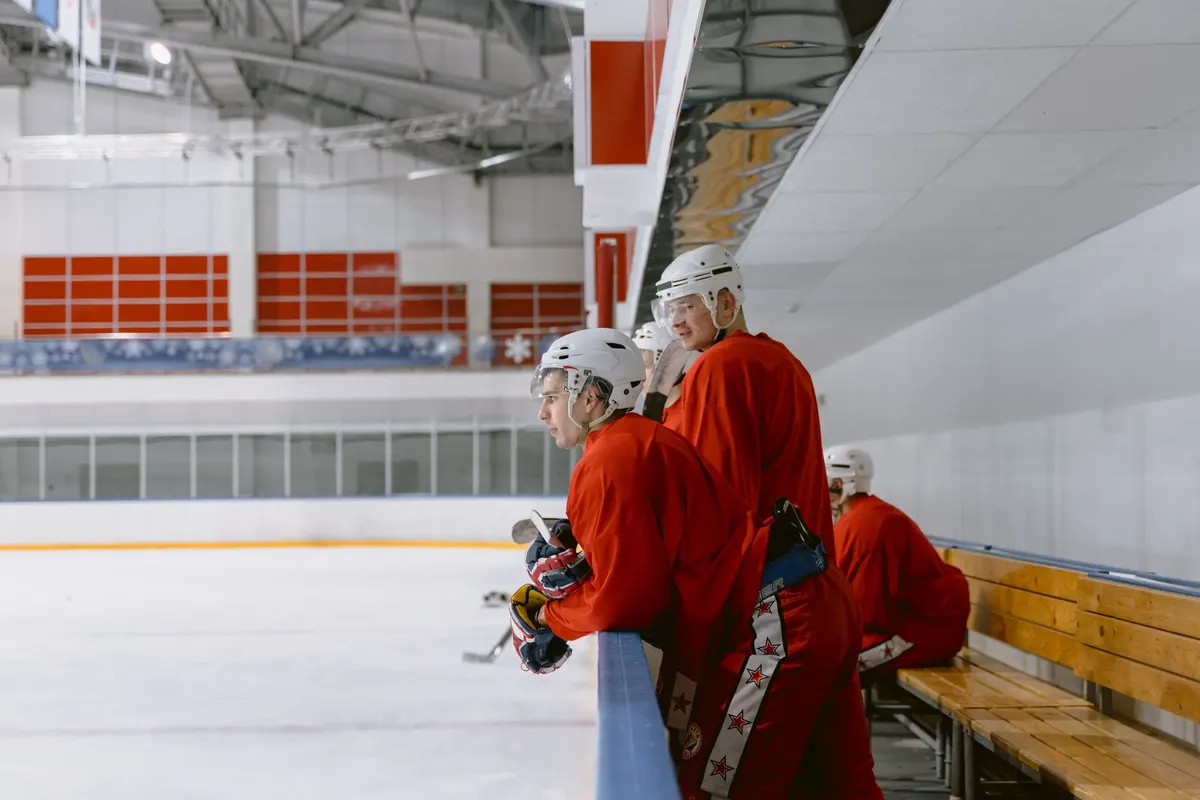
A coach stands on the touchline, watching a playmaker drift between the lines to pull the defensive block apart. This movement is the essence of how a K League star player roles function within a modern formation.
According to the Canadian Soccer Association, the league was officially sanctioned on May 6, 2017.
In the K League, the tactical roles of star players often serve as the bridge between defensive stability and offensive transition. While some players are tasked with being the primary creators, they must also adhere to the defensive shape to prevent counter-attacks.
This creates a dual responsibility where the star's positioning determines the team's overall compactness.
A playmaker in the K League often acts as the pivot for the entire team's rhythm. When they drop deep to collect the ball, they dictate the tempo of the match. This movement forces the opposing midfield to step out of position, creating gaps in the defensive line.
Such roles are vital for maintaining ball possession under pressure.
The defensive work rate of a star player is just as critical as their attacking output. In many K League setups, the primary playmaker is expected to lead the initial press. This high-intensity movement forces turnovers in the opponent's half.
Such roles ensure that the team maintains pressure and keeps the ball in the attacking third.
The relationship between the star player and the defensive unit is a constant tug-of-war. If the star moves too far forward, the midfield becomes vulnerable to direct attacks. Conversely, if they stay too deep, the team loses its attacking edge.
Balancing these movements is the primary challenge for any coach utilizing a superstar.
What are the primary K League star player roles in modern formations?
A midfielder sprints into the box to meet a cross, leaving a vacated space in the center of the pitch. This sudden shift in positioning illustrates the complex nature of K League star player roles.
According to the Canadian Soccer League, a new version was briefly sanctioned as a third-division semi-pro league from 2010 to 2013.
Modern K League tactics often require players to fill multiple roles throughout the ninety minutes. This versatility is necessary to counter the fluid movement of contemporary opponents.
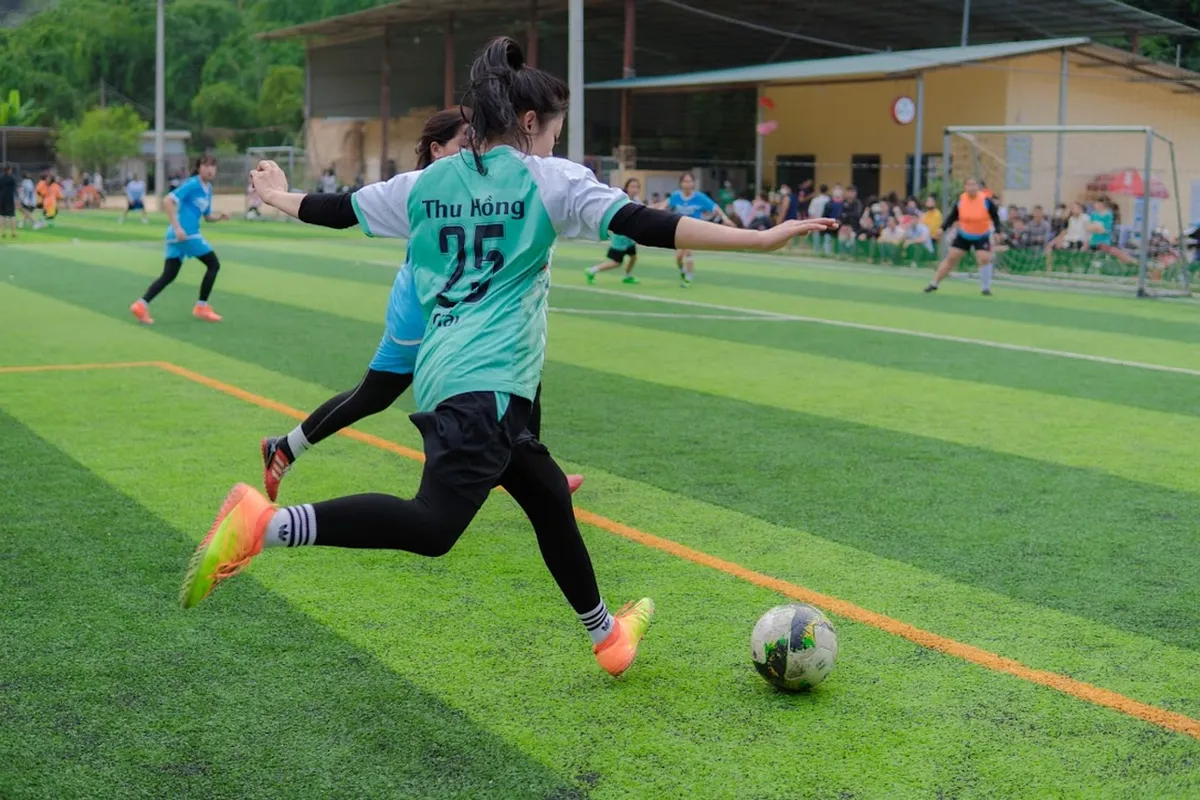
- The Creative Engine: This player operates in the final third, focusing on chance creation and final-ball delivery. They are the primary source of goal-scoring opportunities. 2. The Box-to-Box Specialist: This role requires immense physical capacity to contribute to both defensive transitions and offensive surges. They provide the energy needed to sustain high-pressing systems. 3. The False Nine/Deep-Lying Forward: This player drops into midfield to create numerical advantages, pulling center-backs out of their defensive line. This creates space for late-running midfielders to exploit.
I once watched a match where a single playmaker's movement completely neutralized the opposition's defensive structure for an entire half. My observation was that the tactical role was less about the ball and more about the space created by their presence.
The effectiveness of these roles depends on the players around them. A creative engine needs runners to exploit the space they create. A box-to-box specialist needs a disciplined defensive screen to cover their forward surges. Without this synergy, the star's role becomes isolated and ineffective.
The tactical versatility of players allows coaches to switch between formations without making substitutions. A player capable of playing as both a winger and an attacking midfielder provides the squad with tactical flexibility. This versatility is a hallmark of top-tier K League talent.
How does K League star player roles affect club development?
A scout sits in the stands, noting how a young talent interacts with the senior players during tactical drills. This process is central to how K League star player roles contribute to long-term club development.
According to the Association on May 6, the creation of the league was unanimously approved and sanctioned.
The presence of star players influences the tactical identity of a club over several seasons. This identity becomes the blueprint for youth academy players entering the first team.
The tactical discipline taught by veteran players helps establish a club's "DNA." When players understand specific roles, such as how to transition or how to press, it creates a consistent playing style. This consistency makes it easier to integrate new signings into the existing system.
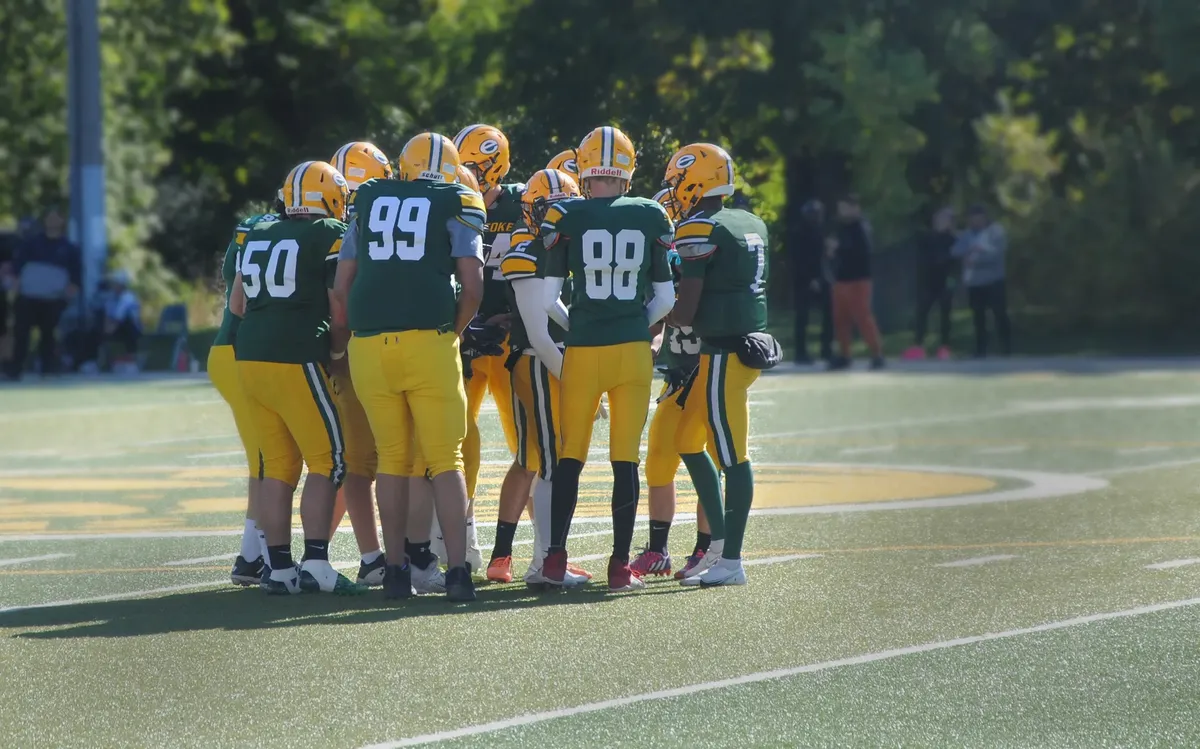
Developing players who can execute complex tactical roles is a key goal for club management. A player who understands their role within a larger structure is more valuable in the global market. This proficiency in tactical roles is a significant factor in the overall league development.
The tactical maturity of players also aids in the recruitment process. Clubs look for players who can fit into their specific tactical framework without disrupting the balance. This ensures that new arrivals contribute immediately to the team's tactical goals.
The integration of star players into the tactical system is a continuous process of refinement. As the league evolves, players must also evolve their roles to remain effective. This constant adaptation is necessary for sustained success in competitive matches.
Can tactical roles be applied to different playing styles?
A coach adjusts the training session to focus on low-block defending instead of high-pressing. This shift demonstrates how K League star player roles must be adaptable to different tactical environments.
Tactical roles are not static; they must change based on the opponent and the team's own tactical setup. A star player in a dominant team will have a very different role than one in an underdog team.
In a dominant team, the star player often focuses on breaking down deep defensive blocks. This requires precision in passing and clever movement to find small pockets of space. The role is about patience and creative problem-solving.
In an underdog team, the star player often takes on more defensive responsum. They may be tasked with being the primary outlet for long balls or the first line of defense in a counter-pressing system. The role is about efficiency and maximizing limited opportunities.
The ability to switch roles mid-game is a sign of a highly intelligent player. A star who can transition from an attacking role to a more disciplined defensive role provides the coach with immense tactical options. This versatility is crucial in tight, high-stakes matches.
The limitation of any specific role is that it can become predictable if not varied. If a playmaker always occupies the same space, defenders will eventually learn to neutralize them. Constant movement and tactical unpredictability are necessary to maintain the effectiveness of the role.
| Role Type | Primary Objective | Secondary Responsibility |
|---|---|---|
| Creative Engine | Chance Creation | Pressing Initiation |
| Box-to-Box | Transition Support | Defensive Coverage |
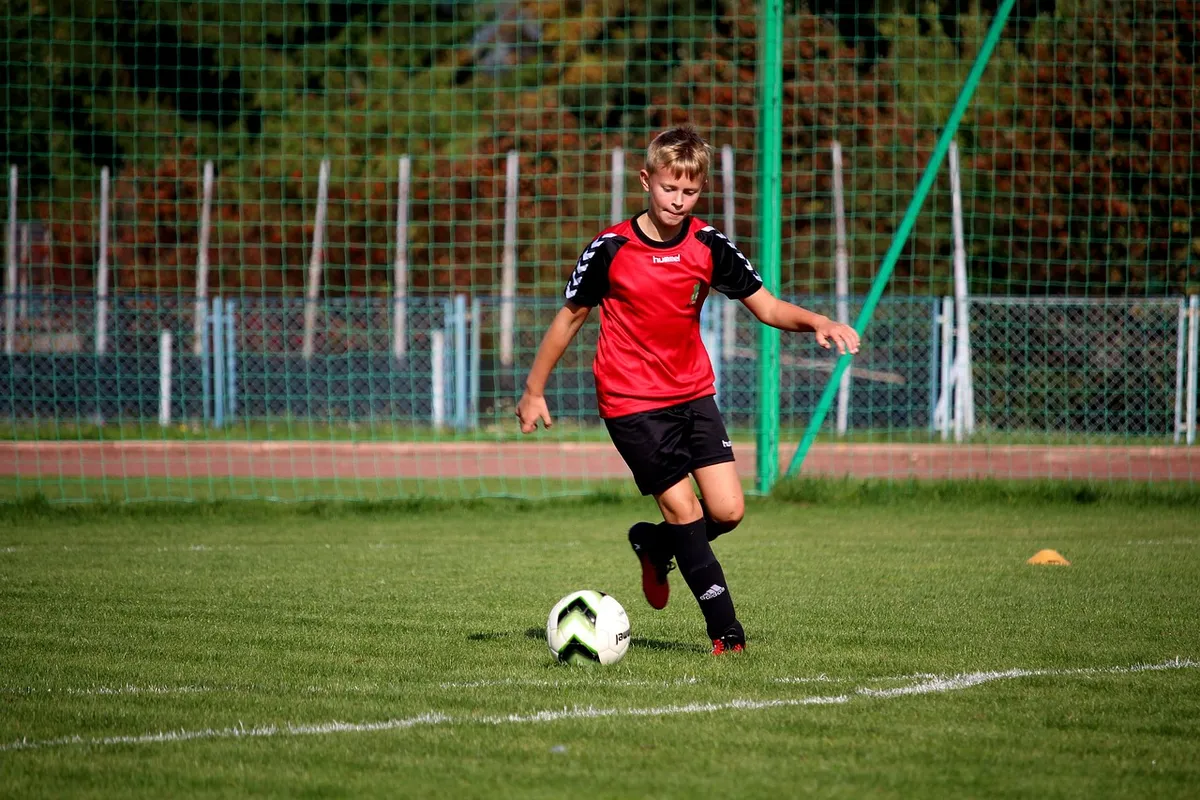
The comparison shows that while the primary objective is distinct, the secondary responsibility is what maintains the team's tactical balance. A star player must be able to execute both to be truly effective in the modern game.
According to Champions League, the item is on record.
- How do K League star tactical roles shape team dynamics?
- What are the primary K League star player roles in modern formations?
- How does K League star player roles affect club development?
The subject here is K League star tactical roles.
The same subject is also called K League star impact analysis.
The same subject is also called K League star tactical impact.
The same subject is also called K League star player tactics.
This part also covers How stars shape team tactics.
This part also covers Star players and club growth.
Related



Comments 0